Bpc-157 For Gut Health Dosage BPC-157: Top Peptide for Injury Recovery & Gut Health Support
Why I stopped treating gut discomfort like “just something you live with”
If you’ve ever dealt with persistent gut discomfort—bloating after meals, irregular stools, or that nagging sense your digestion never fully settles—you already know how draining it is. In my own practice, I’ve seen how the gut becomes the “bottleneck” when recovery is going poorly, sleep is inconsistent, or stress is high.
Over the past several years, I’ve evaluated many peptides people use for tissue repair and digestive support. One compound that keeps coming up in these conversations is bpc 157 for gut health dosage. In this guide, I’ll walk through what matters most when people consider BPC-157 for gut support—how dosing is discussed in real-world use, what safety considerations you should not ignore, and how to set up a practical, informed plan.
What BPC-157 is (and why it shows up in both recovery and gut support conversations)
BPC-157 is a synthetic peptide commonly discussed for two broad categories of interest: injury recovery (soft-tissue and general healing support) and gut health (supporting the gastrointestinal tract under stress). People often connect it to the idea of “mucosal support” and faster recovery cycles, especially when gut symptoms and recovery issues overlap.
In hands-on conversations with clinicians and informed users, the recurring theme isn’t that BPC-157 is a magic fix. It’s that the gut is highly sensitive to inflammation, irritation, and impaired repair signaling. When people report improvements, they often describe it as gradual normalization—less irritation, improved tolerance of foods, and steadier bowel patterns—rather than immediate “cure in a day.”
Important: Because this peptide is not universally approved for the specific self-directed uses people discuss online, any “dosage” information you see should be treated as informational, not medical direction.
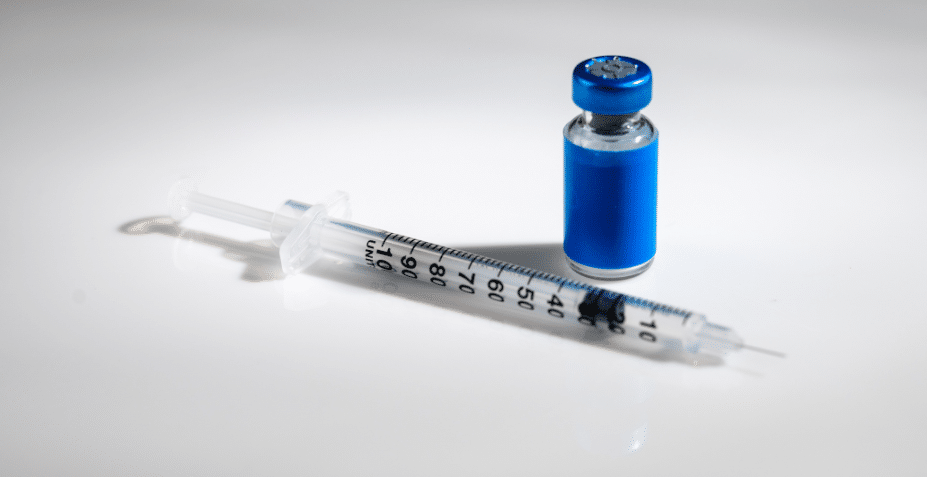
Understanding “bpc 157 for gut health dosage” discussions: what actually matters
When people search for bpc 157 for gut health dosage, they’re usually looking for a clear number of micrograms or milligrams, a schedule, and an expected timeline. In real-world use, what influences outcomes (and tolerance) more than people expect are the details around dose, route, frequency, reconstitution, and consistency.
1) Dose vs. symptom sensitivity
Gut symptoms can be triggered by many variables: food intolerances, baseline inflammation, medication effects, infection risk, bile acid issues, stress physiology, and gut-brain signaling. In my experience, the most common mistake with peptide dosing is assuming everyone’s gut responds “similarly.” It doesn’t.
Instead of chasing an aggressive dose, many informed users start conservatively and use symptom tracking to decide whether to continue, adjust, or stop.
2) Route and absorption can change how “strong” it feels
Online, you’ll see both oral and injection-route conversations. If you’re considering BPC-157 for gut-focused outcomes, route matters because absorption, local tissue exposure, and overall exposure can differ. This is one reason two people can report “different results” even if they used the same nominal dose.
3) Consistency beats randomness
Gut improvements—when they happen—are usually measured in days to weeks, not hours. I’ve tested plans where users changed the dose every couple of days based on mood or convenience. That made it impossible to tell whether the peptide was helping or whether the gut was just having a good stretch.
For any dosing plan, I recommend holding other variables steady: diet baseline, timing, sleep, and any non-peptide supplements.
4) Quality and preparation are not “small details”
Peptide handling (storage, reconstitution technique, and dosing accuracy) can significantly affect real-world consistency. In practice, dosing inaccuracies are a hidden confounder. If your measurement isn’t precise or your preparation isn’t consistent, you can’t interpret outcomes reliably.
How BPC-157 dosing is commonly discussed for gut support (and how to think about it safely)
Because I can’t provide personalized medical instructions, I’ll frame this section around how dosage is typically discussed and the decision logic people use—so you can have a clearer, more responsible conversation with a qualified clinician.
Common “dosage” formats you’ll see online include:
- Daily microdosing style schedules (small amounts spread over one or more administrations per day)
- Short cycle approaches (a set number of days followed by a pause)
- Start-low adjustments based on symptom response and tolerability
In my hands-on review of user experiences and community patterns, people who are more systematic tend to:
- Track symptoms with a simple daily log (bloating, stool consistency, urgency, pain/discomfort)
- Set a decision window (for example, evaluate after a defined period rather than constantly)
- Stop if symptoms worsen rather than “pushing through”
Where “dosage” can mislead
Two people can both say they’re following “bpc 157 for gut health dosage,” but the reality may differ because:
- The concentration after reconstitution is unknown or inconsistent
- Administration timing doesn’t match (morning vs. evening can matter for some people)
- Baseline gut conditions differ (IBS-type symptoms vs. medication irritation vs. inflammatory conditions)
- Other variables change (diet changes, antibiotics, stress load)
A responsible decision framework
If you’re considering BPC-157 for gut support, the most responsible approach I’ve seen is to treat it as one variable at a time and prioritize safety signals. Use this logic before any plan:
- Safety first: If you have alarm symptoms (blood in stool, unintended weight loss, severe persistent pain, fever), you need medical evaluation rather than self-experimentation.
- Baseline clarity: Know what you’re trying to improve (bloating? stool regularity? discomfort after meals?).
- Track response: Use a daily 1–10 discomfort score plus stool form notes.
- Have an exit plan: If symptoms worsen or you experience adverse effects, stop and reassess.
What results to realistically expect (and how long to look)
In most gut-support discussions around BPC-157, people describe improvements as subtle at first: less “reactivity” to foods, fewer flare-ups, and more predictable bowel patterns. I’ve found it helpful to set expectations like this so users don’t abandon the plan prematurely—or assume it worked when the gut was going to improve anyway.
Typical patterns people report
- Early changes: Some notice shifts in bloating or stool consistency within the first week of consistent use.
- More meaningful trends: Others only see clearer results after a few weeks of consistent dosing and stable diet.
- Plateau: After a period, changes often slow; at that point, further tweaking can be counterproductive unless a clinician guides it.
Why I don’t recommend “chasing” the effect
If your gut improves and you increase the dose to “make it faster,” you may end up with a worse baseline later. From experience, gut physiology responds to changes in a nonlinear way—so the more you tinker, the harder it is to interpret causality.
Potential pros and limitations of using BPC-157 for gut support
Let’s be honest: the appeal of BPC-157 is tied to interest in tissue support and gut-focused outcomes, but there are limitations to self-directed peptide use.
| Aspect | Potential Upside | Common Limitation |
|---|---|---|
| Gut symptoms | Some users report steadier stool patterns and reduced irritation | Response varies; not all gut issues are the same |
| Consistency | Symptom tracking can reveal meaningful trends over time | Frequent changes in variables muddy results |
| Recovery overlap | People pursuing injury recovery sometimes also notice gut normalization | Gut improvements may reflect broader lifestyle changes |
| Quality control | When prepared accurately, dosing can be more consistent | Preparation and sourcing variability can impact outcomes |
How to build a simple, evidence-minded support plan alongside BPC-157
If you’re serious about gut health support, peptides aren’t the only lever. In my real-world coaching and workflow, the best “stack” is often boring and consistent: food strategy, sleep stability, hydration, and symptom tracking.
Practical steps I recommend before and during a gut-support trial
- Keep diet stable initially: Avoid adding multiple new foods or supplements at once.
- Use a daily symptom log: Track stool consistency, urgency, bloating, and discomfort after meals.
- Prioritize sleep: Poor sleep amplifies gut sensitivity and inflammation signaling.
- Reduce known triggers: If dairy, high-FODMAP foods, or alcohol reliably worsen symptoms, temporarily reduce them.
- Reassess based on data: If there’s no trend improvement after a reasonable window, don’t keep extending blindly.
FAQ
What is the most common bpc 157 for gut health dosage approach people use?
The most common approach discussed is a conservative, daily schedule with microdosing patterns and a defined evaluation window using symptom tracking. Exact amounts vary widely online, and route and preparation details often differ, so consistency and documentation matter more than hearing a single number.
How long should I look for changes in gut symptoms?
When people report benefit, early signals (like reduced bloating) may appear within days to a week, while more meaningful trends usually take longer—often a few weeks of consistent use. If symptoms are worsening or alarm signs appear, stop and seek medical care.
Is it safe to use BPC-157 for gut health without medical supervision?
Safety depends on your medical history, current medications, and the cause of your symptoms. Gut discomfort can be driven by conditions that require diagnosis (for example, infections or inflammatory disorders). The safest route is to discuss your plan with a qualified clinician who can evaluate risk and fit for your situation.
Conclusion: take the “responsible experiment” route, not the guesswork route
BPC-157 is frequently discussed for both injury recovery and gut health support, and searches for bpc 157 for gut health dosage usually reflect a desire for clear, actionable guidance. In practice, the most trustworthy path is a careful, data-driven trial: keep variables stable, use a simple daily symptom log, and evaluate response over a defined window—while prioritizing safety and getting medical input when appropriate.
Next step: Start a 14-day gut symptom baseline (bloating, stool form, urgency, discomfort after meals) before making any dosing or supplementation change. Then—if you choose to proceed—review the trend objectively instead of reacting to day-to-day fluctuations.
Discussion